Mustafa Farrag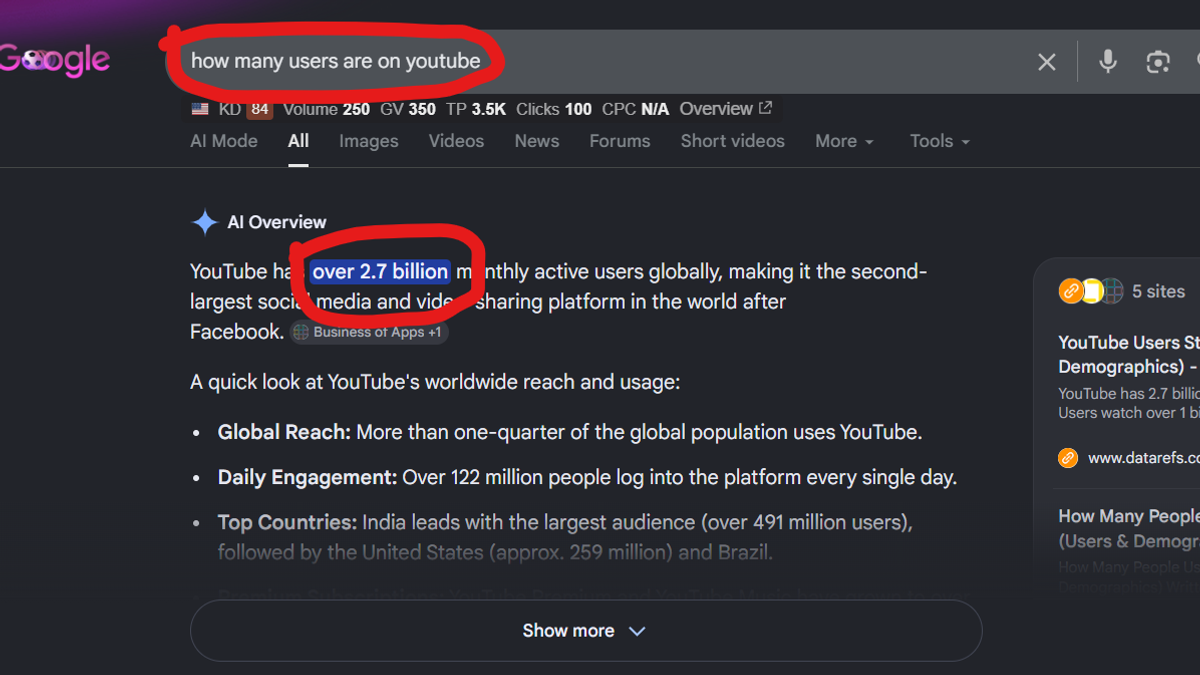
Type a question into Google, and there's a good chance you'll get your answer without ever clicking a single link. That's the reality of zero-click searches: search results that satisfy a user's query directly on the results page, whether through a featured snippet, a knowledge panel, or an AI-generated overview.
In this article, we are going to talk about what zero-click searches are, why zero-click searches happen, and the value of zero-click searches in SEO. As search engines get better at answering questions instantly, more queries end here without ever sending a visitor to a website. Search engines like Google want to keep users on their platform for as long as possible, and the easiest way to do that is by surfacing answers immediately rather than making people dig through external pages. This shift has real implications for how brands approach visibility, and understanding it isn't just about accepting fewer clicks. It's about rethinking what "ranking" means when the answer itself becomes the result.
What Are Zero-Click Searches?
You search for something on Google, and the answer just appears right there on the results page. No clicking, no scrolling through websites, just an instant answer. If this sounds familiar, you've experienced a zero-click search firsthand, and you're definitely not alone.
A Simple Definition
A zero-click search happens when a search engine answers a user's query directly on the search engine results page (SERP), without requiring them to click on any link. The searcher gets what they need and moves on, all without ever visiting a website.
Common Examples You've Probably Seen
Zero-click answers show up in everyday searches more often than most people realize. Some familiar formats include:
- Featured snippets: A short text answer pulled from a webpage and shown at the very top of results
- Knowledge panels: Info boxes about people, places, or things, usually appearing on the right side of the page
- AI Overviews: AI-generated summaries that pull together information from multiple sources into one answer
- People Also Ask boxes: Expandable questions with quick answers related to your original search
- Local packs: Map results showing business hours, addresses, and reviews for "near me" type searches
- Calculators and converters: Instant results for math problems, unit conversions, currency, or weather
A Quick Way to Spot One
If you type a question into Google and find your answer without scrolling past the first screen or clicking anything blue, that's a zero-click search in action. Simple "what is," "how many," and "when did" style questions are some of the most common triggers.
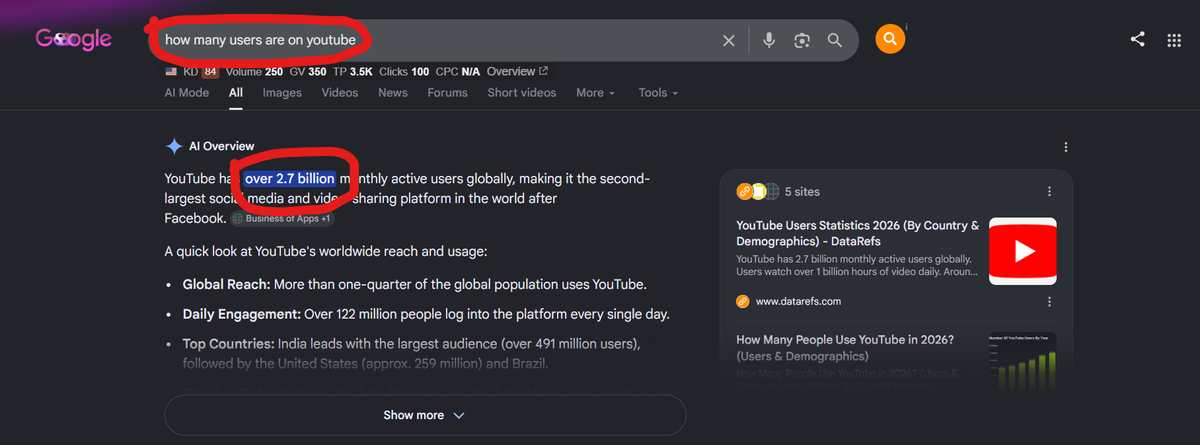
Since your question is already answered, there is no reason for you to click, that’s why it is called zero-click.
Why Do Zero-Click Searches Happen?
Now that you know what zero-click searches look like, the next question is naturally why they exist in the first place. The answer comes down to how search engines define success, and it isn't always the same definition website owners have in mind.
Google Wants to Answer You as Fast as Possible
Google's main goal is to answer a query as quickly and accurately as possible. If a search engine can pull a reliable answer straight from a webpage and display it on the results page, there's less incentive for the user to leave the SERP at all. Speed and convenience win, even if that means fewer clicks for the websites supplying the information.
AI Is Making Instant Answers Even More Common
The growth of AI Overviews and similar AI-powered summaries has accelerated this shift. Instead of pointing to one source, these tools pull from multiple pages at once and generate a single, conversational answer. A few reasons this trend keeps growing:
- AI models can summarize complex topics faster than a user can read through multiple articles
- Search engines see AI summaries as a way to keep users engaged within their own ecosystem
- Voice search and mobile search favor short, direct answers over long lists of links
Some Searches Just Don't Need a Click
Some searches are simply built for a quick answer, not a deep dive. These tend to fall into a few categories:
- Factual lookups: Dates, definitions, measurements, and quick facts
- Navigational searches: Searches for a specific brand or website where the user just wants the link, not extra reading
- Local intent searches: Hours, directions, or contact details that show up in a local pack
- Conversational or voice queries: Spoken questions that expect a single, direct spoken answer
We've Gotten Used to Instant Answers
People have learned to expect instant answers, and that expectation now shapes how they search. Shorter attention spans, the habit of using search engines like a quick reference tool, and rising comfort with AI-generated summaries all reinforce the same cycle: search engines deliver faster answers, and users come to expect them every time.
The Value of Zero-Click Searches in SEO
Understanding why zero-click searches happen is only half the picture. The real question for marketers and business owners is what this trend actually means for SEO, and whether there's still value to be found when users never click through to a website.
Businesses can strengthen their long-term search visibility by investing in SEO Services that optimize content for featured snippets, AI Overviews, and other zero-click search opportunities.
Visibility Still Counts, Even Without a Click
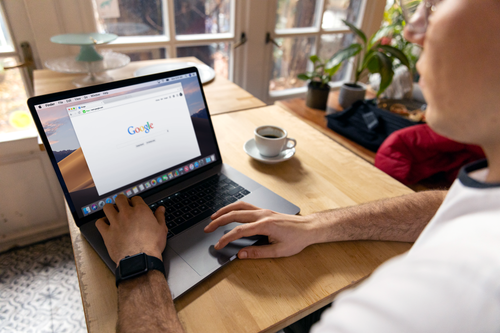
Just because a user didn't click doesn't mean your brand got nothing out of the interaction. If your content is the source behind a featured snippet, a knowledge panel, or an AI Overview, your brand name is sitting right in front of the searcher at the exact moment they're looking for an answer. That kind of visibility builds awareness and trust, even without a visit logged in your analytics.
Being the Cited Source Builds Authority
When your content gets pulled into an AI-generated answer or a snippet, search engines are essentially vouching for you as a credible source. Over time, this can:
- Strengthen your brand's perceived authority in a niche or industry
- Increase the likelihood of being cited again for related queries
- Create brand recall that leads to direct visits or searches later on
Zero-Click Results Can Still Drive Indirect Traffic
Not every value metric shows up as a click. Some of the indirect benefits include:
- Users who see your brand in an answer and later search for you by name
- Increased trust that makes someone more likely to click a paid ad or organic listing from your domain on a future search
- Repeated exposure across multiple zero-click formats reinforcing brand recognition over time
Tracking Your Brand’s Visibility With AI Peekaboo
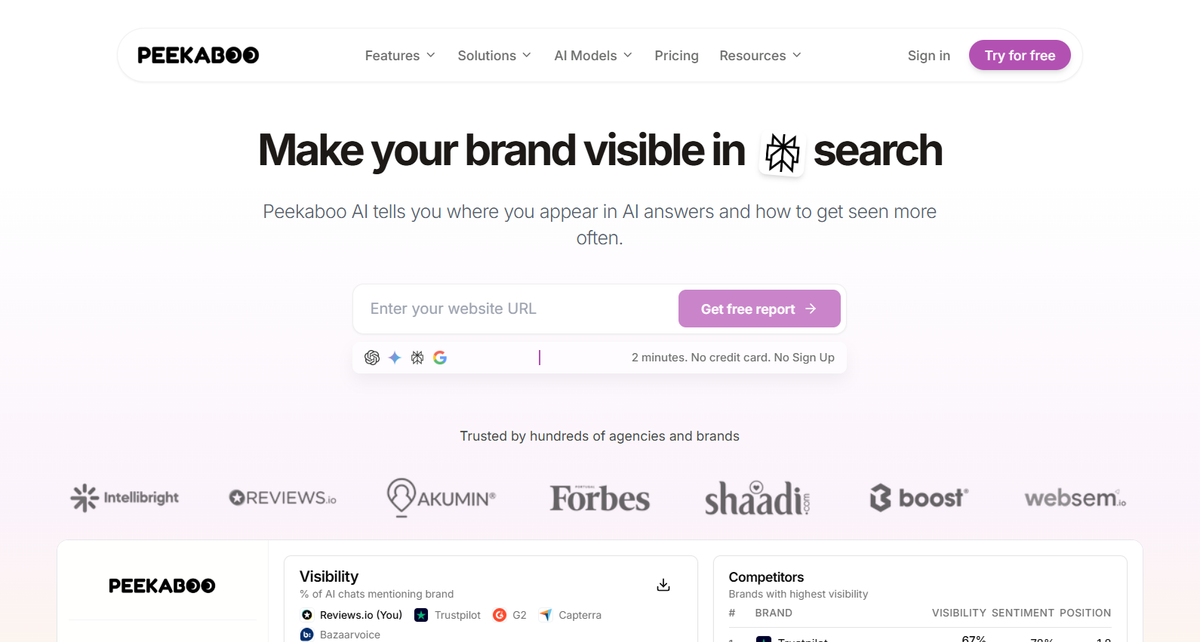
The challenge with all of this is that traditional analytics weren't built to measure visibility inside an AI Overview or a featured snippet. You can see your overall impressions and rankings, but you can't easily tell whether your brand actually showed up inside the AI-generated answer itself. That's a real blind spot for any SEO strategy, especially as more queries shift toward zero-click formats.
This is exactly the gap AI Peekaboo was built to close. Its AI Overview tracker monitors when and how your content appears inside Google's AI-generated summaries, while its AI Mode tracker keeps tabs on your visibility within Google's AI Mode results. Together, these tools give you a clearer picture of your zero-click performance, so you're not left guessing whether your content is actually showing up where it matters.
Conclusion
Zero-click searches aren't going away, and honestly, fighting that reality won't get you very far. The smarter move is adjusting how you measure success. A click is no longer the only sign that your content is working. Showing up inside a featured snippet, a knowledge panel, or an AI Overview still puts your brand in front of the right person at the right moment, even if your analytics dashboard doesn't show it as a visit.
The brands that adapt fastest will be the ones who stop treating zero-click results as a loss and start treating them as a new kind of opportunity. That starts with knowing exactly where you're showing up, which is where having the right visibility tools makes all the difference. If you're ready to see how your content performs inside AI Overviews and AI Mode instead of guessing, AI Peekaboo can show you the full picture.
Measuring the zero click hit gets easier when the numbers can leave the dashboard. Built for SEO agencies, Peekaboo offers a REST API and an MCP server that let Claude or ChatGPT read your visibility data on request, while its Google Search Console and Analytics 4 links show what impressions and sessions survive once an AI summary answers the query.
Frequently Asked Questions
What exactly is a zero-click search?
A zero-click search is a search result that satisfies the user's query directly on the results page, so nobody clicks through to a website. Featured snippets, knowledge panels, and AI-generated overviews all produce them.
Why do zero-click searches happen so often?
Search engines want to keep users on their own platform as long as possible, so they surface answers immediately rather than making people dig through external pages. AI-generated overviews make instant answers even more common.
Do zero-click searches hurt my SEO?
Not in the way most people assume. Visibility still counts even without a click, being the cited source builds authority, and zero-click results can still drive indirect traffic. What changes is what ranking means when the answer is the result.
Is there still value in ranking if nobody clicks?
Yes. Appearing in the answer keeps your brand in front of the searcher, and being the source that gets cited builds authority over time. Those impressions can still lead to visits later, even when the search itself ends on the results page.
How do I track my brand visibility in zero-click results?
Since the answer replaces the click, track how often your brand appears and gets cited rather than counting sessions alone. AI Peekaboo is built for exactly that, monitoring where your brand shows up across AI-generated answers.