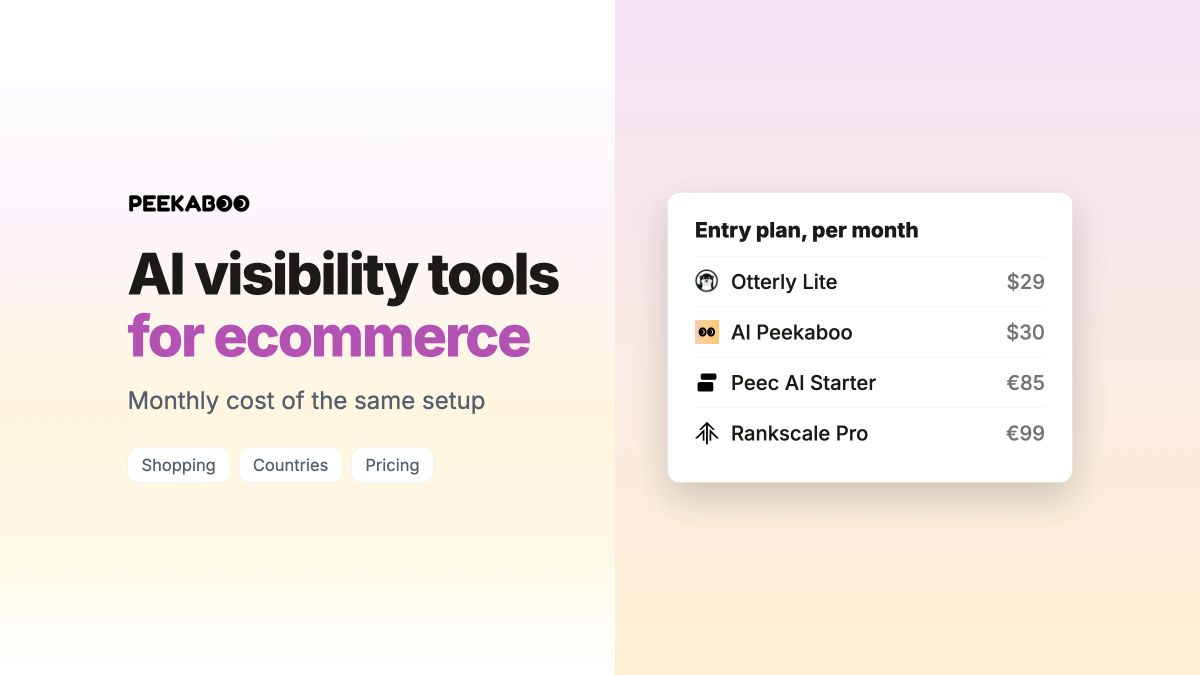
An inexpensive entry plan helps when it includes the observation your store needs. Compare seven tools by product evidence, reporting fit and the capacity behind the price.
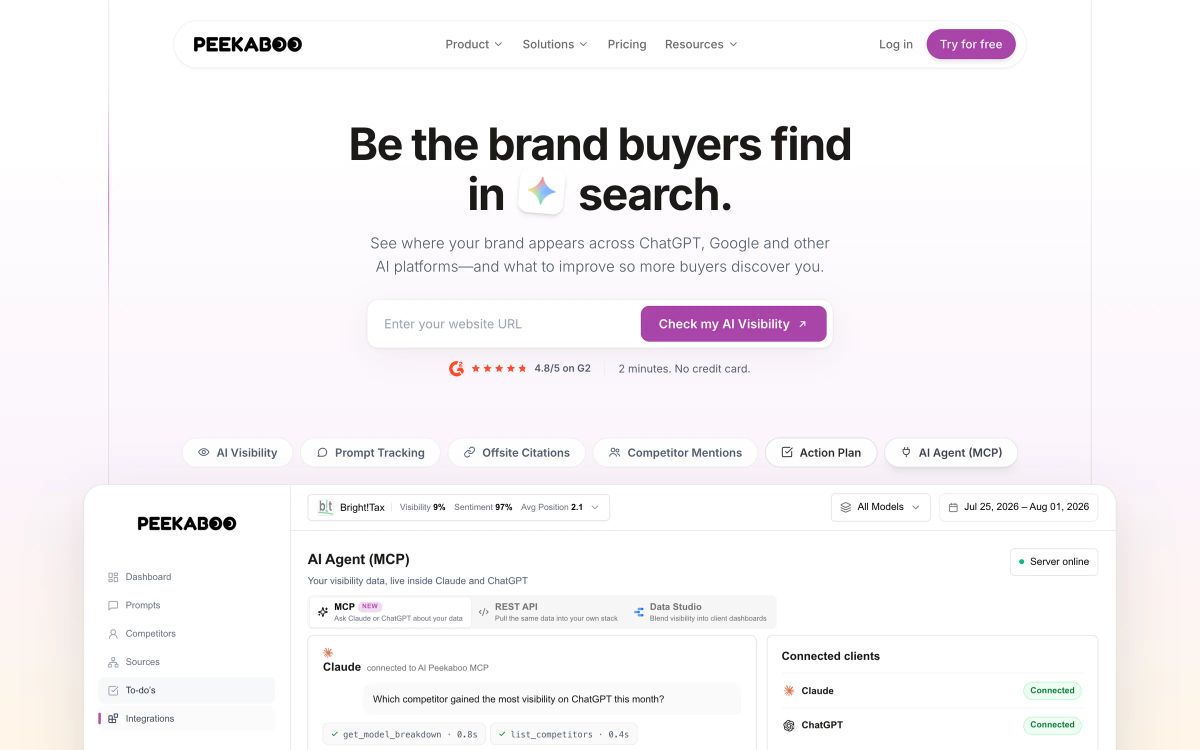
AI Peekaboo is the best overall pick for agencies monitoring brand recommendations across ecommerce clients, with customizable plans from $30/month across up to 7 AI platforms, white-label reports and client share links from $100/month, and MCP server access.
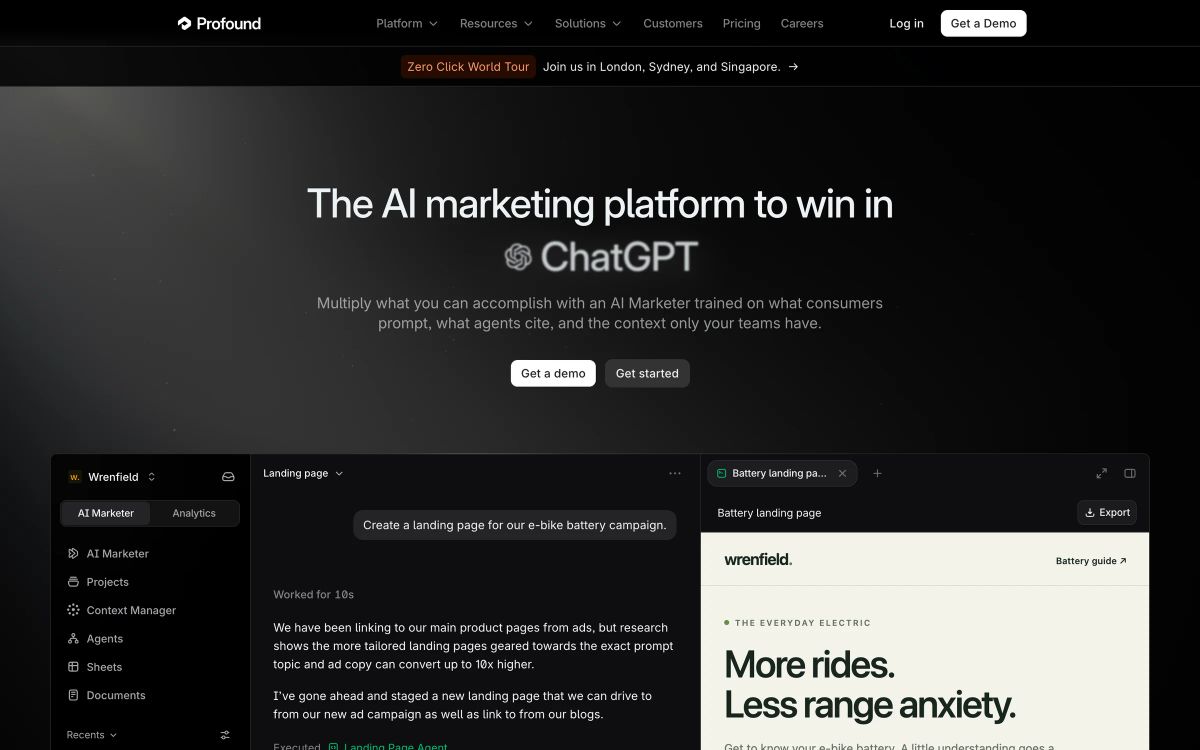
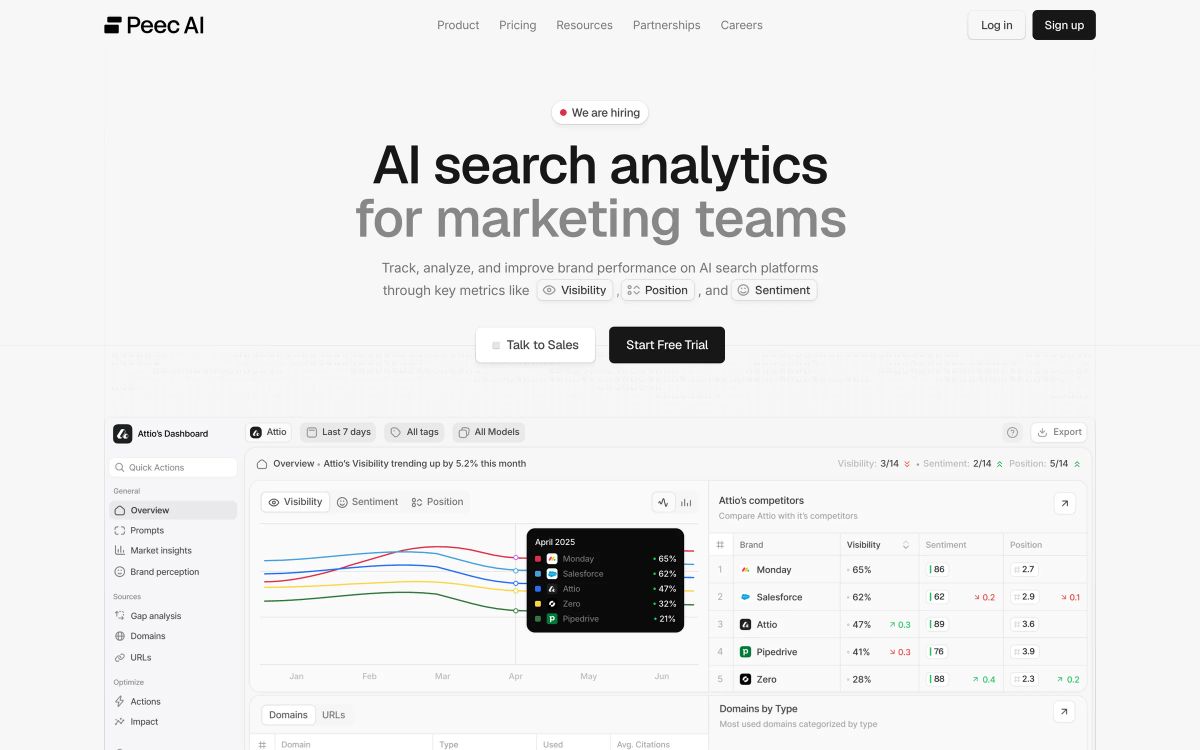
Peec AI (Starter EUR 85/month for 50 prompts) delivers catalog-linked ChatGPT product matching via Shopify or CSV upload, while Profound (Custom Brand Enterprise) separates SKU visibility from merchant destinations for large retailers.
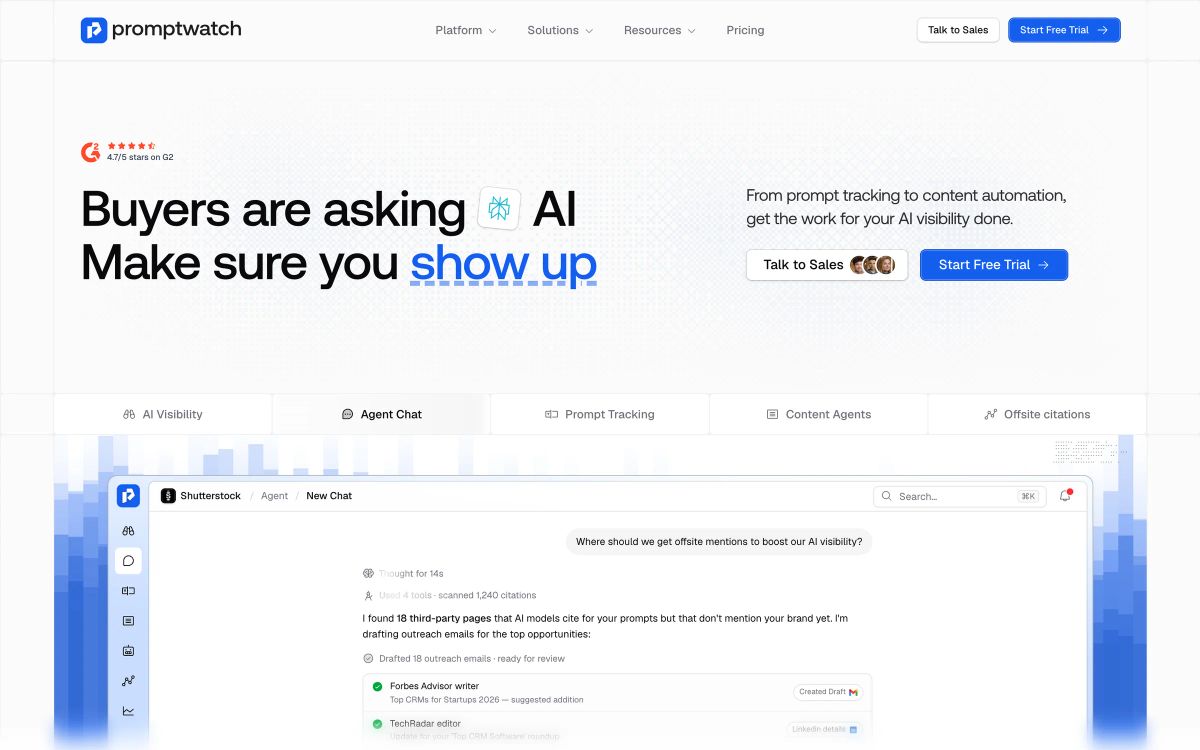
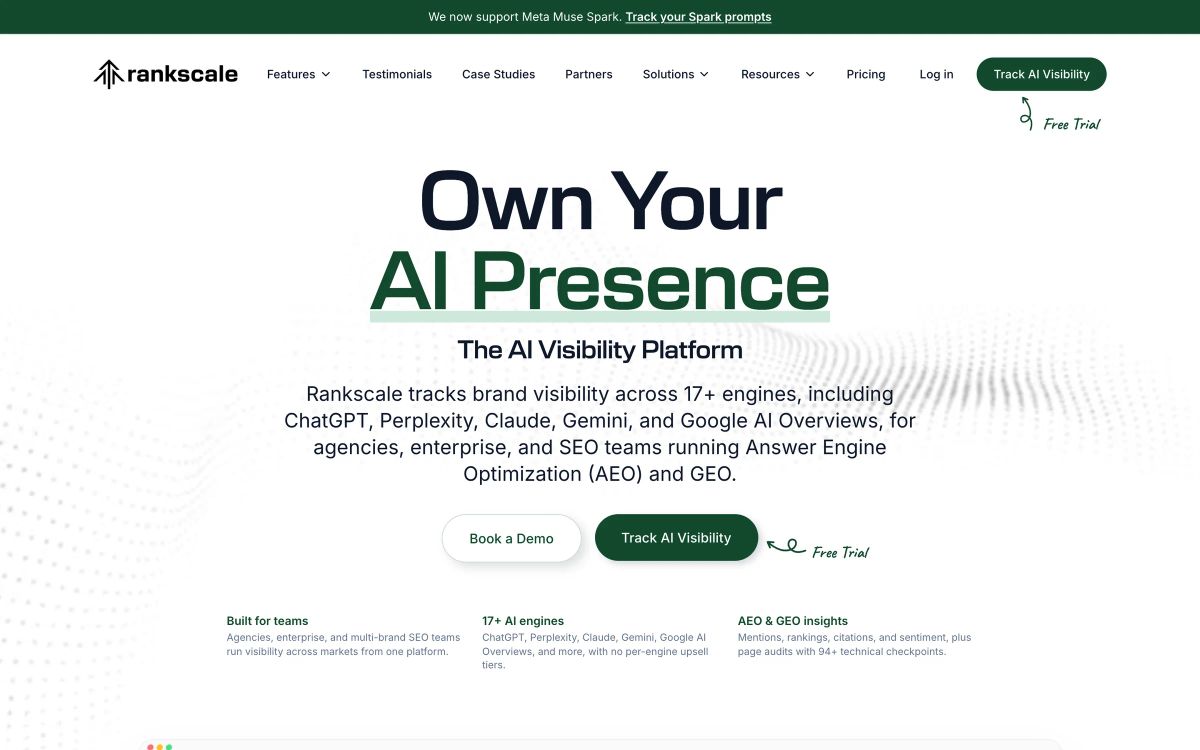
Promptwatch (Business $579/month for 350 prompts and 42,000 responses) pairs ChatGPT and Amazon Alexa Shopping Insights with content production, whereas Rankscale (Pro EUR 99/month, 1,200 execution credits) lets stores vary prompt schedules from hourly to monthly.
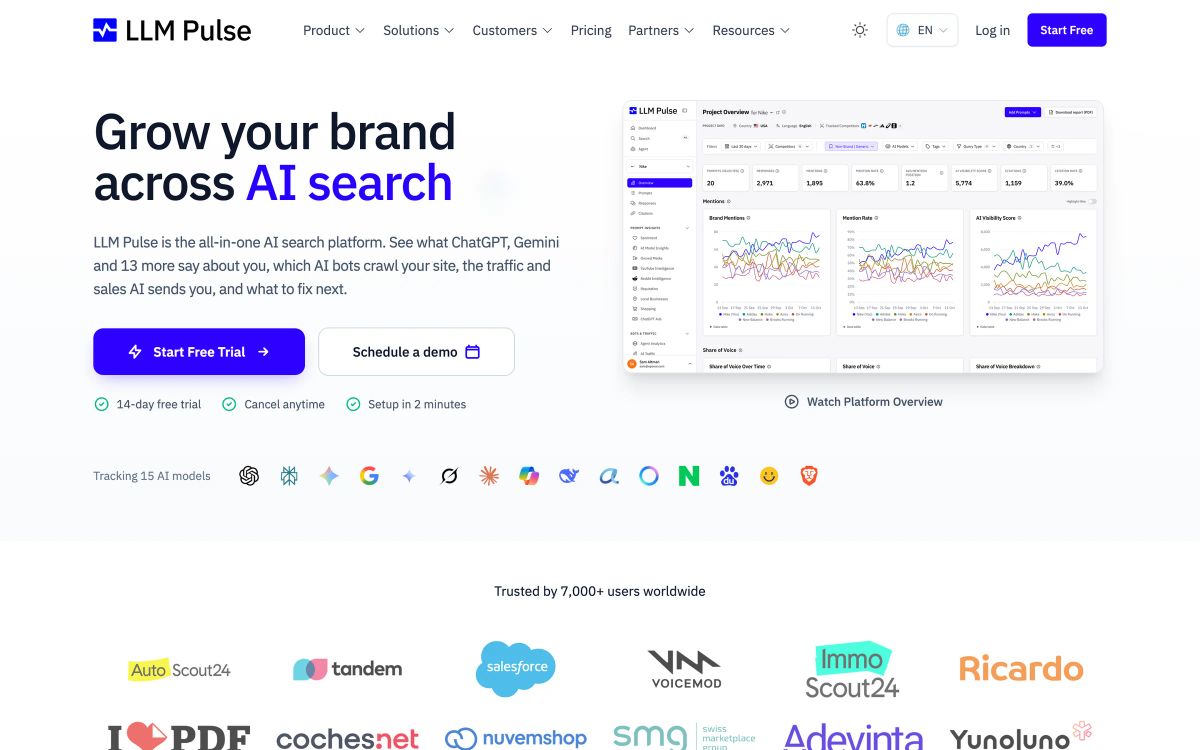
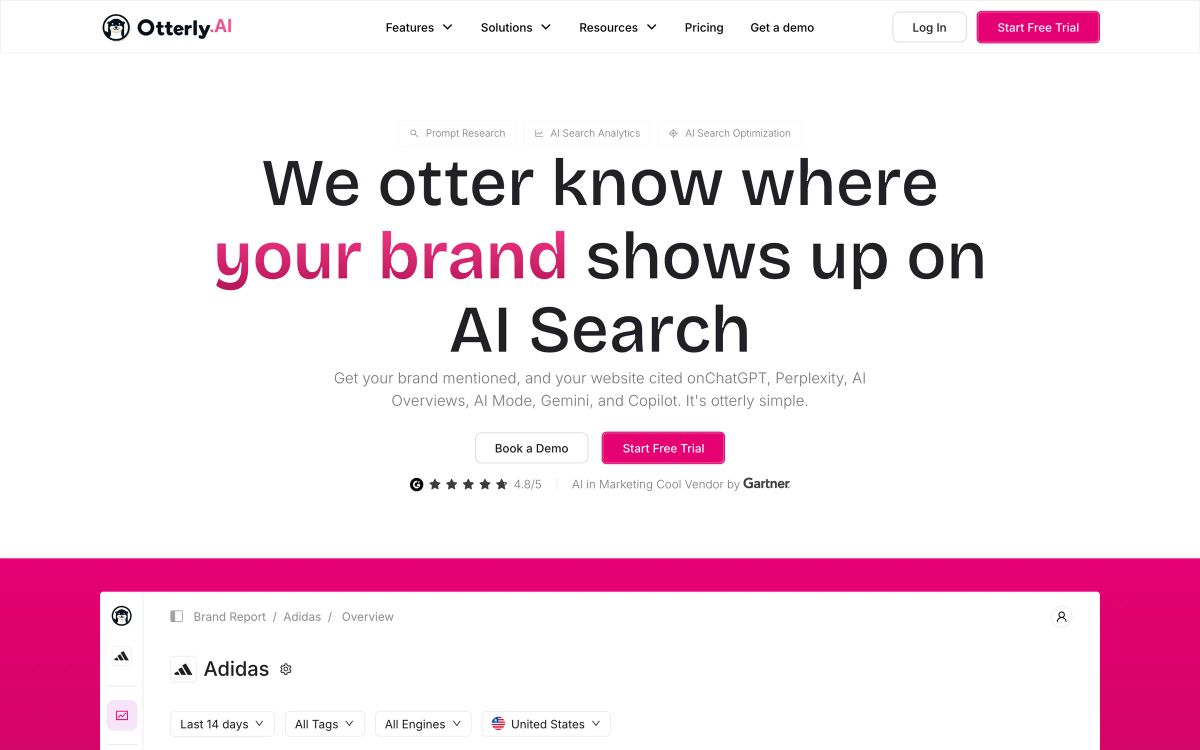
LLM Pulse (Scale EUR 299/month weekly or EUR 449/month daily for 450 prompts) supports periodic or daily ChatGPT shopping reviews, and Otterly (Lite $29/month for 15 daily prompts) fits small stores tracking a compact daily panel with ChatGPT shopping and ads included.
A store wants to know whether AI recommends its products. That sounds like one question until the answer names the brand, the shopping card shows a different SKU and the merchant link points elsewhere. A useful visibility tool should help the team inspect the part of that result it needs to change.
AI Peekaboo is best overall for agencies monitoring brand recommendations and producing client reports. For catalog-linked product analysis, Peec AI offers a concrete Starter purchase; Profound is better suited to an enterprise investigation of products and merchants together. The remaining options earn their place through different workflow and capacity choices, rather than one universal definition of “best.”
How does brand visibility differ from product visibility?
Brand visibility and product visibility require different checks: use brand-answer monitoring to investigate recommendations and cited sources. Use identified shopping output to investigate a specific product and the store accompanying it. Neither output proves an order.
Av. António Augusto de Aguiar 122C 1050-046 Lisboa, Portugal
Minnesota
202 N Cedar Ave, Suite 1 Owatonna, MN 55060, USA
For example, a hypothetical bottle brand could be recommended for commuting while its 750ml bottle is absent from the shopping cards. If the bottle appears with a reseller, the merchandising question has partly changed into a retail-destination question. A single favorable brand score would conceal that distinction.
Shopping with ChatGPT Search takes product information and shopper context into account. Merchant choices also consider price and availability. Catalog inclusion is not a promise of appearance in every relevant answer.
Catalog upload has its own boundary. A tracker may use the supplied product IDs to match observed results; that is separate from submitting a merchant feed to OpenAI. Successful import and successful observation should be checked separately, especially before an empty view becomes a commercial conclusion.
The best starting criterion is the decision your team owns.
Choose the output first:
Brand recommendation: favor answer text and cited sources when your job is explaining how AI describes the brand. A brand chart without the underlying answers may leave an agency unable to explain its recommendation. AI Peekaboo's monitoring and reporting fit this agency task.
Identified product: favor a catalog-linked observation when you need to investigate the specific item. Keep the relevant buying question attached so merchandising can decide what to change. Peec's ChatGPT matching and Promptwatch's exact-ID workflow make product identity part of the comparison.
Merchant destination: favor a view that distinguishes the product from its seller. A merchant name without the product context may send the retail team after the wrong issue. Profound's SKU and merchant analysis is particularly relevant when a large retailer needs that distinction across its investigation.
Conventional SEO and store search answer different questions. A Google ranking concerns a search result; an on-site recommendation concerns discovery within your shop. This comparison concerns what external AI answers recommend and show. If your immediate problem is shoppers failing to find an item after arriving at the store, a visibility tracker isn't the purchase that directly fixes it.
How do AI visibility tool pricing and plans compare?
AI visibility tool pricing and plans vary by entitlement, so the lowest entry price only matters with its included features attached. Peec Starter includes its specified shopping features; Promptwatch Essential doesn't include Shopping Insights. LLM Pulse offers a lower weekly Scale price, with a genuinely different collection interval.
Tool
Best fit in this comparison
Relevant monthly purchase
Main purchase consideration
AI Peekaboo
Agencies investigating brand answers across stores
From USD 30; branded reporting at USD 100+ a month
Your plan choices and one schedule for the whole account
Profound
Enterprise SKU and merchant investigation
Custom Enterprise
Shopping requires a separate eligible evaluation
Promptwatch
Retail content teams using shopping and production
Business USD 579
Response allowance and production use
Peec AI
Catalog-linked competitive product analysis
Starter EUR 85
ChatGPT shopping and required market scope
Rankscale
Stores varying checking frequency by question
Pro EUR 99
Finite credits behind configured terms
LLM Pulse
Periodic or daily shopping review
Scale EUR 299 weekly / EUR 449 daily
Frequency retained in the price comparison
Otterly
Small stores with a compact daily panel
Lite USD 29
Fifteen paid prompts and extra platform costs
Prices use different stated currencies and plan allowances. The table identifies a purchasable job, not seven equivalent workloads.
Which seven ecommerce AI visibility tools stand out?
1. AI Peekaboo: best for agency monitoring and reporting
For an agency with ecommerce clients, AI Peekaboo is the one I'd put first. You see how AI assistants recommend each shop when shoppers ask what to buy, and you deliver those reports with your own logo on them. It works best when your team already writes the product and category content and wants hard evidence about which page to fix next.
When a store drops out of an answer about its category, you can read the real AI answers behind that shift and the sites they pulled from. Your client gets something they can see with their own eyes, and your team knows what to work on, rather than staring at a percentage that went down.
Key features
Track each ecommerce client as a separate brand, with its own prompts, competitors and dashboard, and the AI answers and cited sources behind every score.
Choose the AI platforms your clients' shoppers use, up to 7: ChatGPT, Gemini, Perplexity, Google AI Overviews, Google AI Mode, Microsoft Copilot and Claude API.
Plug in GA4 and Google Search Console to set AI visibility beside each store's site traffic.
Get prompt suggestions, recommendations and content briefs that point to the next questions worth tracking and give your copywriters a place to begin.
Show prospective ecommerce clients what AI says about them with unlimited pitch workspaces, using one extra brand slot that you reuse for every new prospect.
Hand each client a read-only results link, or feed the data to Looker Studio or your own reports through the API.
Ask Claude or Cursor which competitors show up in a store's tracked answers, through AI Peekaboo's MCP server, and get the cited sources back in the chat.
Pricing
You set four things: the count of brands you track, the number of prompts per brand, which AI platforms you include (up to 7) and how often the prompts run. The price adjusts with each choice. Six platforms share one price per check, and Claude API costs more, so see what it adds before you include it. Sample plans:
Brands
Prompts per brand
AI platforms
How often prompts run
USD monthly
20
30
3
Monthly
30
2
200
3
Weekly
80
8
50
3
Weekly
80
7
40
6
Weekly
112
1
60
2, one of them Claude API
Every 3 days
150
12
50
4
Weekly
160
Pick whichever platforms your clients' buyers use. Any three standard ones land on these prices; Claude API sits at a higher rate.
Choose annual billing and you pay 15% less than the monthly list price.
White-label reports and client share links switch on when your plan comes to $100 a month or more.
Your whole team can log in with no per-seat charge.
The account runs on a single schedule, so every client's prompts run equally often. Pick that schedule first, then build the plan around it.
Who should choose it
Go with AI Peekaboo if your agency looks after several online stores and needs branded AI visibility reports that prove what moved and say what to do next. A single store that just wants to check whether AI answers mention it, and pick up ideas for getting mentioned more, will find it useful as well.
Pass on it if you want the articles written for you: you get briefs, not finished copy, so your writers or a writing tool stay part of the job. And if a client asks for proof of which exact product SKU showed up next to which seller, that is a separate need, because AI Peekaboo reports on brand answers. Peec AI or Profound is the better place to look for that product evidence.
2. Profound: best for large retailers
Profound fits large retailers and consumer brands that need to tell where a product appears apart from where a shopper might buy it. Shopping Analysis tracks individual SKUs and their attributes, and the merchant view shows which stores appear next to your products.
That split changes who does the work. A visible product sold by another retailer is a different problem from a missing product. The first means reviewing the seller and the prices and facts around it; the second means checking whether the product shows up at all and how it is described. Keeping the two apart stops a large team from sending every visibility problem to content.
Key features
Shopping Analysis tracks individual SKUs and attributes, so you see exactly which product AI shows.
The merchant view shows which stores appear with your products, so your retail team can spot a reseller taking the sale.
The shopping-trigger rate tells you whether a prompt produced shopping cards at all. If one prompt gives ordinary advice and another gives product cards, you won't mistake the first for a missing product.
General tracking covers up to nine AI engines, tailored to your plan.
Agents run workflows for your team, and Enterprise adds controls for large organizations.
Pricing
Profound plan
Price
Shopping
Brand Enterprise
Custom
Included, currently ChatGPT-focused
The free brand trial lasts seven days, with fifty preset industry prompts run daily on three platforms.
The trial excludes shopping and you can't change the prompts, so it tells you nothing about your own catalog.
Who should choose it
Choose Profound when merchandising and marketing both need to work from the same product and merchant evidence, and your team will use the workflows and organisational controls that come with Enterprise. Get a tailored quote for the price and the shopping coverage rather than assuming an entry plan.
Skip it if you're a lean team with a small ChatGPT catalog question. Peec AI's narrower product data may answer it without the cost of a full enterprise program.
3. Promptwatch: best for retail content teams
Promptwatch Business is a useful fit when your retail content team will use shopping tracking and content production together. It works best when an editor owns the queue of fixes the findings create.
Product IDs must match exactly. A product can upload fine and still go unmatched, so an empty product view means nothing until you check the identifier. Do that check before you publish more copy: an unmatched bottle is not proof that AI rejects the product.
Key features
ChatGPT Shopping analytics matches your products in ChatGPT and Amazon Alexa. Google AI Overviews and AI Mode shopping results show inside the responses, but they are not matched or counted in the Shopping section.
CSV product import takes at most 5,000 rows and 5MB, and every row needs a product ID and a product name.
The Action Board lists your prioritized work, and Content Agent writes briefs and drafts. Your team still checks the product claims and reviews the copy.
Business gives you 5 projects, so you can keep separate stores apart.
Pricing
Business scope
Allowance
USD monthly
579
Prompts
350
Monthly responses
42,000
Projects
5
Seats
5
Monthly AEO articles
10
Shopping Insights
Included
Essential is a separate brand-monitoring plan:
Essential scope
Allowance
USD monthly
95
Prompts
50
Responses
6,000
Shopping Insights
Excluded
Extra AI platforms use up responses, and tracking pauses at the limit unless you add more.
Who should choose it
Choose Business when your team has content work waiting behind the findings. If you only want to track shopping results, you may pay for production capacity you never use. Production is worth less when the fix is a catalog correction or a talk with a retail partner.
Keep the content work tight: a content gap should lead to one specific brief, not an automatic request for ten more articles. If you run more stores than the five projects cover, plan how you split them, and keep enough responses for the questions you care about.
4. Peec AI: best for catalog product tracking
Peec AI gives your store catalog-linked product tracking from its Starter plan at €85 a month. You upload your catalog, track your SKUs against competing products, and see the top merchants and shopping sources around them.
Start small. Take a known item, such as a hypothetical 750ml bottle, and a few real buying situations. Check the matched product in the ChatGPT conversation, then the merchant and sources. If a rival product appears, ask whether a specific attribute or use case sets it apart. Keep the buyer's need attached: a bottle recommended for hiking doesn't answer a commuter's question about fitting it into a work bag.
Key features
Product matching links your catalog to collected ChatGPT conversations.
Upload your catalog from Shopify or by CSV, including a Merchant Center CSV export. That is not a direct Merchant Center connection, so pick the route your product-data owner can check against the live catalog.
Top-merchant and shopping-source views show who sells and who gets cited around your products.
General tracking runs daily for unlimited users, on three base platforms you pick. Peec AI pricing helps you choose them.
Product visibility shows what appeared, not what sold: it is not sales attribution.
Pricing
Monthly brand plan
Price
Prompts
Projects
Starter
EUR 85
50
1
Pro
EUR 205
150
2
Advanced
EUR 425
350
5
Confirm the markets you need; don't assume every country is included.
A bigger plan adds prompts, but it does not widen Peec AI's ChatGPT shopping data to Gemini, Perplexity, or Google AI surfaces.
Who should choose it
Choose Peec AI when your merchandising question fits its ChatGPT product data. Starter's fifty prompts suit a focused product check, not the 100-question panel modeled later in this article; Pro gives you more room.
Don't sell its general platform panel to your team as shopping coverage on all those platforms. Choose Profound instead when shopping-trigger and merchant analysis are part of a broader enterprise need.
5. Rankscale: best for flexible tracking schedules
Rankscale suits stores that want different checking schedules for different questions. You can set anything from hourly to monthly, so a live problem gets checked often while stable category questions wait for a periodic review.
Split your questions before you speed anything up. Check often only where someone is reviewing a live finding. Use a slower schedule for stable comparisons, and collect just enough on new questions to decide whether they deserve a place. That keeps one investigation from eating the credits the rest of the store needs. An hourly setting being available doesn't make it useful, and checking more often doesn't change what AI recommends.
Key features
Schedule each question from hourly to monthly instead of putting everything on one interval.
Add unlimited search terms; every answer uses credits from a fixed monthly pool.
Shopping and ads analysis covers ChatGPT, Google AI Mode and Microsoft Copilot. Test the actual product output rather than assuming catalog matching.
Pro includes ten brand dashboards, shopping analysis and unlimited team users.
Growth adds white-label dashboard links.
Pricing
Rankscale plan
EUR monthly
What you get
Pro
99
1,200 execution credits, ten brand dashboards, shopping analysis, unlimited team users
Growth
385
White-label dashboard links
Each answer uses credits:
Answer platform
Credits per answer
ChatGPT
0.25
Gemini
0.25
Perplexity
0.25
Google AI Mode
0.25
DeepSeek
1
Claude
2
Tracking pauses when credits run out, until they renew or you top up.
The seven-day Pro trial has limited credits.
Who should choose it
Choose Rankscale when your questions need different schedules. AI Peekaboo runs every prompt on one schedule for the whole account, which suits a shared reporting rhythm; Rankscale suits a mixed workload. The choice turns on how your team reviews the questions.
Judge the cost against what you schedule, not the length of your term list, and budget the credits before you rely on a long list or a fast schedule.
6. LLM Pulse: best for weekly shopping tracking
LLM Pulse fits stores that want to choose between a weekly and a daily shopping review. Its shopping analysis covers ChatGPT only, not the full general panel.
Pick the schedule by what you'll do with the results. If you change a product fact between two weekly runs, the next result can't show what happened in between. Daily runs narrow that gap, but you still need to check your own price and stock data, and neither schedule tells you why an answer changed. Keep the same question and market when you compare before and after a catalog edit, or a better answer may just reflect a new question.
Key features
General monitoring covers ChatGPT, Perplexity, Gemini, Google AI Mode and Google AI Overviews.
Shopping analysis covers ChatGPT. Test the exact shopping detail you need, without assuming catalog matching.
Scale gives you 450 prompts and 5 projects, with weekly or daily tracking.
Pricing
Scale shopping scope
Allowance
Weekly tracking, EUR monthly
299
Daily tracking, EUR monthly
449
Prompts
450
Projects
5
Shopping analysis
ChatGPT
Tax
Applicable tax excluded
Daily Starter costs €79 a month for 50 prompts, without shopping.
Eligible new customers with a valid payment method get a fourteen-day trial on the weekly Starter, Growth and Scale plans.
Daily plans start paid.
Who should choose it
Choose weekly Scale for a periodic shopping review that can live with gaps between runs. Choose daily Scale when a named person has a concrete use for the extra results. Paying for daily runs while only reviewing occasional totals gives you more data without better decisions.
7. Otterly: best for small stores
Otterly Lite is a sensible $29 a month choice for a store whose key questions fit 15 daily prompts. It suits a lean marketer who can review a small daily set, and ChatGPT shopping and ads are available across the plans.
Make the small panel count. Give your real priorities the prompts rather than giving every product an equal share. For a hypothetical bottle store, keep questions about the commuting use case apart from questions that name the product: the first shows where you could be recommended, the second shows how AI describes the product you already sell.
Key features
The included platforms are ChatGPT, Google AI Overviews, Perplexity and Microsoft Copilot. Adding Gemini, Google AI Mode, or Claude costs extra.
ChatGPT shopping and ads data comes with every plan. Check the product detail you need; the shopping label doesn't promise exact SKU matching.
Each prompt has its own country, so a second market uses prompts from the same limit.
Lite includes one workspace and unlimited team members.
Pricing
Lite scope
Allowance
USD monthly
29
Daily prompts
15
Workspaces
1
Standard scope
Allowance
USD monthly
189
Daily prompts
100
Workspaces
Unlimited
The free trial lasts seven days, needs no card and includes fifty prompts. That is more than paid Lite's fifteen, so test the question set you will actually pay for.
Who should choose it
Choose Lite when a small, deliberate question set covers your store. Move to Standard, or look elsewhere, when merchandising expects coverage of many products across several markets: unlimited team members help you share findings, but they don't add prompts. The Otterly review explains the bigger plans.
Before a catalog-level decision, ask for a demo of the exact product detail. The number of included platforms is no substitute for it.
How do you check catalog product matches?
Treat product identity as the first diagnostic check, then establish what the shopping result actually shows. A successful upload confirms that an input was accepted; it doesn't establish that the product appeared, that every variant was matched or that your shop was selected as merchant.
Start with a manageable product group that a product-data owner can inspect. The hypothetical 750ml bottle is useful because it gives the team a specific item to recognize. Keep its capacity separate from a different bottle size rather than collapsing both into a favorable brand mention. Use your own catalog facts to judge the match, not a plausible-looking product name.
Prepare the evaluation inputs in order:
Identify the intended item: retain its catalog ID and name, with the attributes your team needs to distinguish it from similar products.
Check the permitted input: Promptwatch requires product ID and name in its CSV, with limits of 5,000 rows and 5MB. Peec accepts Shopify or CSV catalog input.
Inspect a returned product: compare the observed identifier and visible attributes with the intended item. Promptwatch's exact-ID matching makes the identifier check particularly important.
Inspect the merchant separately: determine whether the result names the intended store or another retailer before assigning the issue.
Classify the result before assigning work:
A text-only answer offers no shopping card to match.
A shopping result with a different identifier may explain why an imported product remains unmatched.
A result containing other products is a competitive observation requiring closer comparison.
The intended bottle shown with another seller is a merchant finding, even though product presence is established.
Each AI platform boundary matters during this check. Promptwatch matches ChatGPT and Alexa products in its Shopping section, while Google shopping output is inspected within responses. Peec's current matching concerns collected ChatGPT conversations. A Google product visible in a response should not be silently folded into a ChatGPT catalog total.
After a catalog edit, keep a record of what changed and inspect the next relevant observation. Don't assume a connector refreshed the item automatically or corrected variant identity. That behavior needs to be part of the actual workflow evaluation. The practical standard is a match the product owner can explain, followed by an issue the appropriate team can act on.
How many prompts do you need?
Fund the prompts your team can review, with enough execution capacity to keep them running. Product count is only the beginning: distinct buying questions and market coverage determine the scope, while platform choice and cadence determine the observation workload.
Illustrative one-country question panel:
Planning input
Value
Priority products
25
Distinct questions per product
4
Total prompts
100
Countries
1
It doesn't guarantee 100 SKU observations. Markets change capacity; unmatched IDs and answers without shopping change what the results mean.
Use this thirty-day planning model to see where capacity changes the purchase. The platforms listed are those used in each model, rather than a claim that every response is a shopping event.
Illustrative workload
Monthly observation budget
Purchase consequence
AI Peekaboo: 100 prompts daily on ChatGPT, Gemini, Perplexity and Google AI Overviews
12,000 checks
One-brand plan costs USD 200 monthly, above its reporting threshold
Promptwatch: 350 prompts daily across four platforms
42,000 responses
Uses the Business response allowance in full
Rankscale: 100 questions daily across ChatGPT, Gemini, Perplexity and Google AI Mode
12,000 answers; 3,000 credits
Exceeds Pro's 1,200 monthly credits
Rankscale: 40 questions daily across the same four platforms
4,800 answers; 1,200 credits
Uses Pro's monthly credits in full
A panel that consumes the full allowance leaves no modeled headroom for additional questions or platforms. Promptwatch's larger brand tier does not mean its full prompt set can be expanded across more platforms without affecting responses. Rankscale's unlimited configured terms do not fund unlimited daily executions. Reducing question count or changing frequency can be a better decision than collecting until monitoring pauses.
Market expansion should also have an editorial reason. Decide which products and buying situations deserve observation in the additional country, then confirm how your chosen tracker allocates those questions and whether the country is eligible. Don't assume that translating a prompt establishes equivalent coverage or that every plan has the same language and country access.
For multiple stores, preserve separate scopes in reporting. Adding an unrelated store's prompts to an aggregate can change the apparent trend without changing the first store's position. Agree the product group and the review owner before extending the panel, so capacity pays for a usable comparison.
How should you evaluate AI visibility tools?
To evaluate AI visibility tools effectively, a useful trial should leave your team able to explain one finding and assign one action. Begin with a representative buying question and a known product identifier, then use the actual output of the module you intend to buy. A general dashboard demonstration is insufficient when the purchase depends on catalog matching.
Use a proposed evaluation with clear pass conditions:
Scope is explicit: the result identifies the question, platform, country and collection interval your team requires. A shopping view represents the intended shopping surface.
Product evidence is interpretable: the product owner can recognize the item or explain why it is unmatched. If no shopping result was triggered, the output makes that distinction clear enough to avoid a false absence conclusion.
Merchant evidence answers the retail question: where destination analysis matters, the team can separate product presence from the accompanying seller.
Delivery is usable: the responsible person can review the finding in the export or dashboard view the plan actually provides, without relying on a higher-tier capability.
Capacity survives the proposed routine: the paid prompt and execution allowances fit the intended panel, with any additional market allocation included.
Free access has different implications across these tools.
Profound's preset industry trial excludes shopping and cannot substitute for a tailored catalog evaluation.
Promptwatch Essential's trial concerns a plan without Shopping Insights, so a pleasant trial dashboard doesn't establish Business shopping suitability.
Otterly's fifty-prompt trial is larger than the fifteen-prompt paid Lite panel; run the proposed paid question set through the capacity decision before subscribing.
LLM Pulse's weekly trial cannot establish how a daily review will fit the team's routine, because daily starts paid.
AI Peekaboo's reporting plan at USD 100 or above begins billing at checkout, so the branded delivery job isn't covered by its lower-price trial eligibility.
Rankscale's limited trial credits should support a focused investigation rather than be treated as proof of a month's unrestricted collection.
A decisive vendor confirmation list should stay short:
Does the eligible module produce the product and merchant detail required for the chosen question?
Does the proposed country and language fit the selected plan's actual scope?
Can the required catalog update and client report be demonstrated within that purchase?
Commit to an AI visibility tracker when those answers support your team's routine. If product identity remains unexplained, resolve that gap before making a commercial conclusion from a larger panel.
How should ecommerce teams act on AI visibility findings?
Act on AI visibility findings by choosing the output the responsible ecommerce team can use. Assign each finding to the team that can investigate it. Visits and orders require separate store evidence.
Keep a compact evidence record alongside the work assignment:
Record field
What the team retains
Buying question and context
Exact question, country, platform and observation date
Observed result
Answer text or identifiable product, with the relevant attributes
Merchant
Accompanying seller when the shopping output provides one
Source
Exact cited URL when present, without inventing one for an uncited answer
Issue
Specific gap or inconsistency requiring investigation
Responsibility
Named owner and the next action they can complete
The hypothetical bottle produces different assignments depending on the observation:
If its capacity is described incorrectly, the product-data owner should compare the statement with the live catalog and the observed sources.
If the intended item appears with another retailer, merchandising should inspect that destination and its commercial context.
If a competing guide is cited for the commuting question, content should assess whether the store's explanation answers the same buyer need.
The next action should be narrow enough to finish. “Improve AI visibility” leaves an editor guessing. “Review the commuting explanation against the cited guide and correct any unsupported product claim” gives that editor a bounded task. Keep the original observation so the team can later inspect the same question without relying on memory.
An automated recommendation or draft can assist that handoff, but a person still has to confirm the product facts and approve the change. Promptwatch's content workflow is most useful with an editor who owns publication. AI Peekaboo's evidence-backed recommendations and briefs are most useful when the agency can translate the finding into agreed client work. Neither turns a completed task into a guaranteed recommendation change.
Measure the subsequent result in separate records.
Visibility concerns what appeared in the observed answer.
Referral traffic concerns visits recorded by the store.
Orders concern transactions.
A favorable answer and an order in the same reporting period don't establish that the answer caused the purchase. Keep those distinctions visible in the client report rather than treating a visibility score as revenue attribution.
For a brand question, begin with the free AI visibility checker, a one-time ChatGPT and Gemini snapshot without a card. For a shopping question, evaluate the identified product and merchant output in an eligible plan. A good purchase gives the team a usable investigation, not simply a larger chart.
How we checked this
Last checked: 2 October 2026.
Prices and plan limits: each vendor's public pricing page. Features: vendor help docs and product pages.
Frequently asked questions
Can two tools' visibility percentages be compared directly?
Only when the underlying scope and counting rules are comparable. Keep the question set and observation period attached, and distinguish brand mentions from matched products. One tracker that counts shopping observations and another tracker that reports brand recommendations are measuring different events. Their percentages should not decide the purchase without knowing what each total represents.
Should a small store buy several AI visibility tools at once?
No, start with one tool that answers your team's most important question. Buying separate trackers for brand recommendations and catalog analysis is only useful if someone can act on both outputs. Add a second tool when it supplies evidence the first cannot provide for a decision you actually need to make. Otherwise, the extra subscription gives a small team another report to review.
Should we replace our prompts when switching visibility tools?
No, retain a core of existing questions if you want the move to preserve a useful point of comparison. Changing the questions while changing the tracker makes it harder to tell what explains a different result. Treat any newly supported shopping surface as a separate investigation, so the switch can expand your coverage without disguising a change in what you measure.
Start with your own visibility.
See where your brand appears in AI answers and which competitors get mentioned.
 Filipe Lins Duarte